
Listening to the land: How KōreroNet is helping us better understand Aotearoa’s environment
- AUT Ventures
- Mar 24
- 2 min read
FEATURE | ISSUE THREE | WHENUA AUT Ventures | @aut_ventures | ventures.aut.ac.nz
When we think about caring for the environment, we often think about what we can see; forests, rivers, wildlife. But what if understanding the health of our whenua starts with listening?
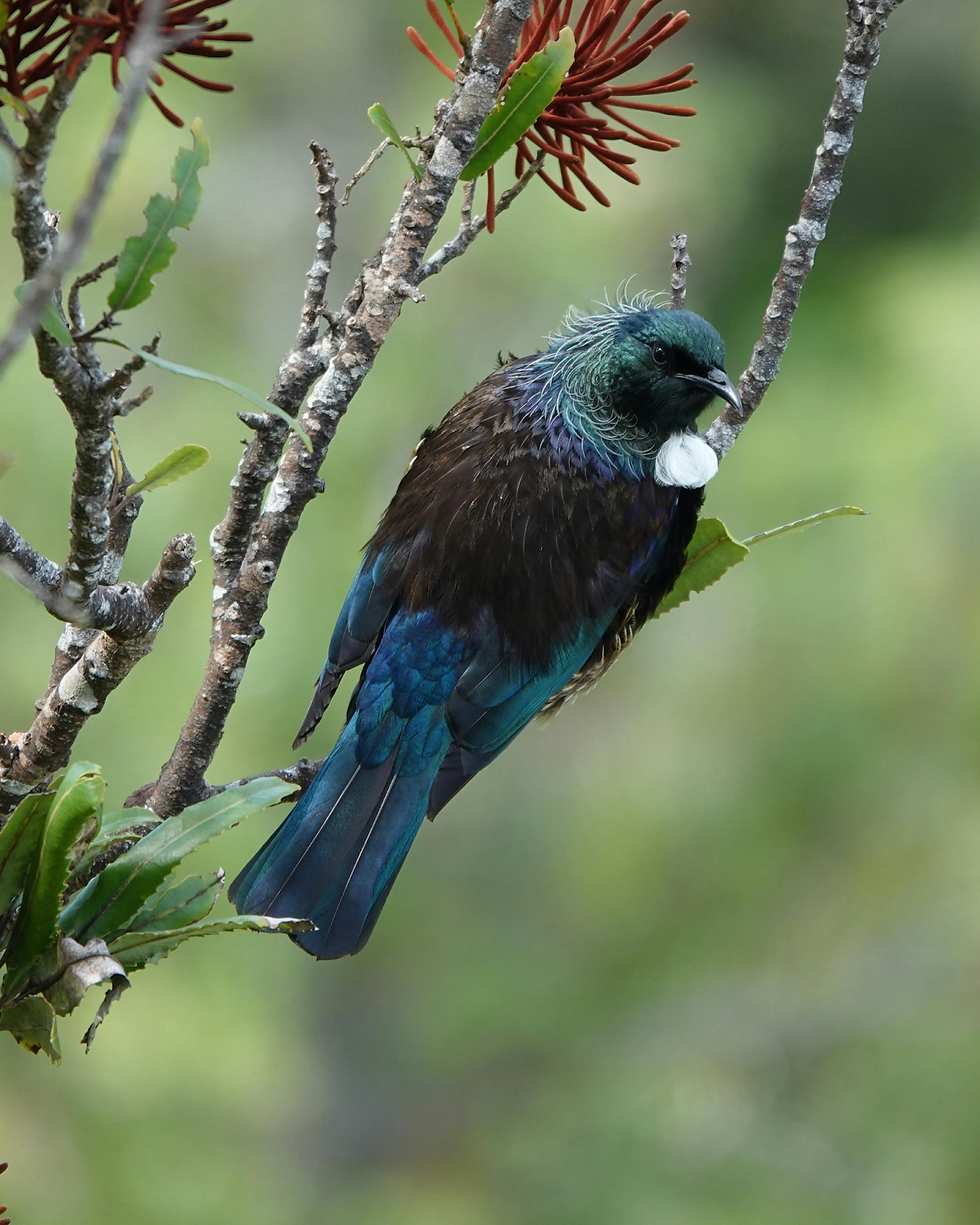
At AUT’s School of Engineering, Computer & Mathematical Sciences, researcher Dr Amin Barzegar is exploring exactly that through KōreroNet, a project that uses sound to better understand what’s happening in our natural environments. Developed alongside Dr Akbar Ghobakhlou, KōreroNet is a network of small acoustic sensors that can be placed out in nature to “listen” to what’s around them. These sensors pick up sounds from birds, bats, and even invasive species, and use AI to recognise which species are present, all in real time.
The real-time aspect is important because most biodiversity monitoring methods only provide snapshots. Data is collected periodically, meaning we only see small pieces of a much bigger picture, yet our environment is constantly changing. KōreroNet instead continuously listens to the environment, building a more complete and ongoing understanding of how ecosystems function. It doesn’t just show which species are present, but how they behave, when they are most active, and how these patterns shift over time.
For Amin, this work is also about how emerging technologies like AI can be used more responsibly in today’s environmental context. As he explains, “AI is often talked about in terms of its impact on the environment, particularly the resources it consumes. But as it becomes more embedded in our everyday lives, the focus shifts to how we choose to use it. At AUT, I’ve seen how it can also be part of the solution, whether we use these tools in ways that take from the environment, or in ways that help us understand and protect it.”
For Aotearoa New Zealand, this work is especially significant. Our ecosystems are unique, yet they are under increasing pressure from climate change, habitat loss, and invasive species. Having access to more consistent, real-time information can strengthen conservation efforts and support more informed decisions about how we protect and care for our whenua. While the technology is still being developed, KōreroNet has recently been recognised through the KiwiNet Emerging Innovator Programme, a sign that projects focused on understanding and protecting our environment are being supported and pushed forward.
For students, this is a reminder that innovation doesn’t have to be separate from care for the world around us. Whether through technology, creativity, or community, there are real opportunities to contribute to the future of our whenua, and to be part of meaningful change. For those with ideas they want to take further, AUT Ventures offers support to help turn early thinking into real-world impact. Reach out to us today!
Comments